Feel the Earth.
Before it moves you.
A home seismometer for everyone. Precise. Open. Always on.
In stock · ships in 7–12 days
Warning time depends on your distance from the epicenter nearby, it can be seconds or none.
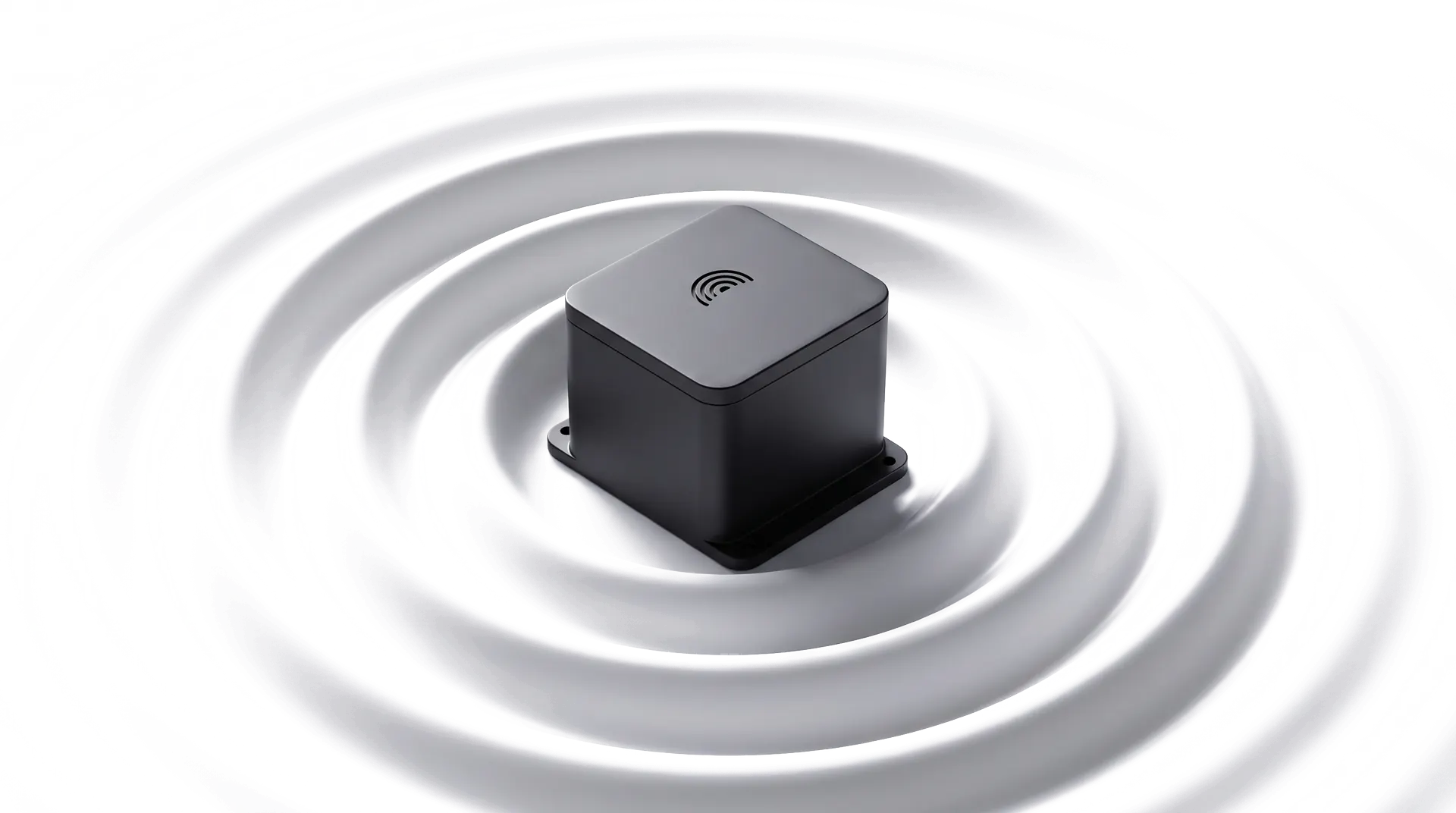
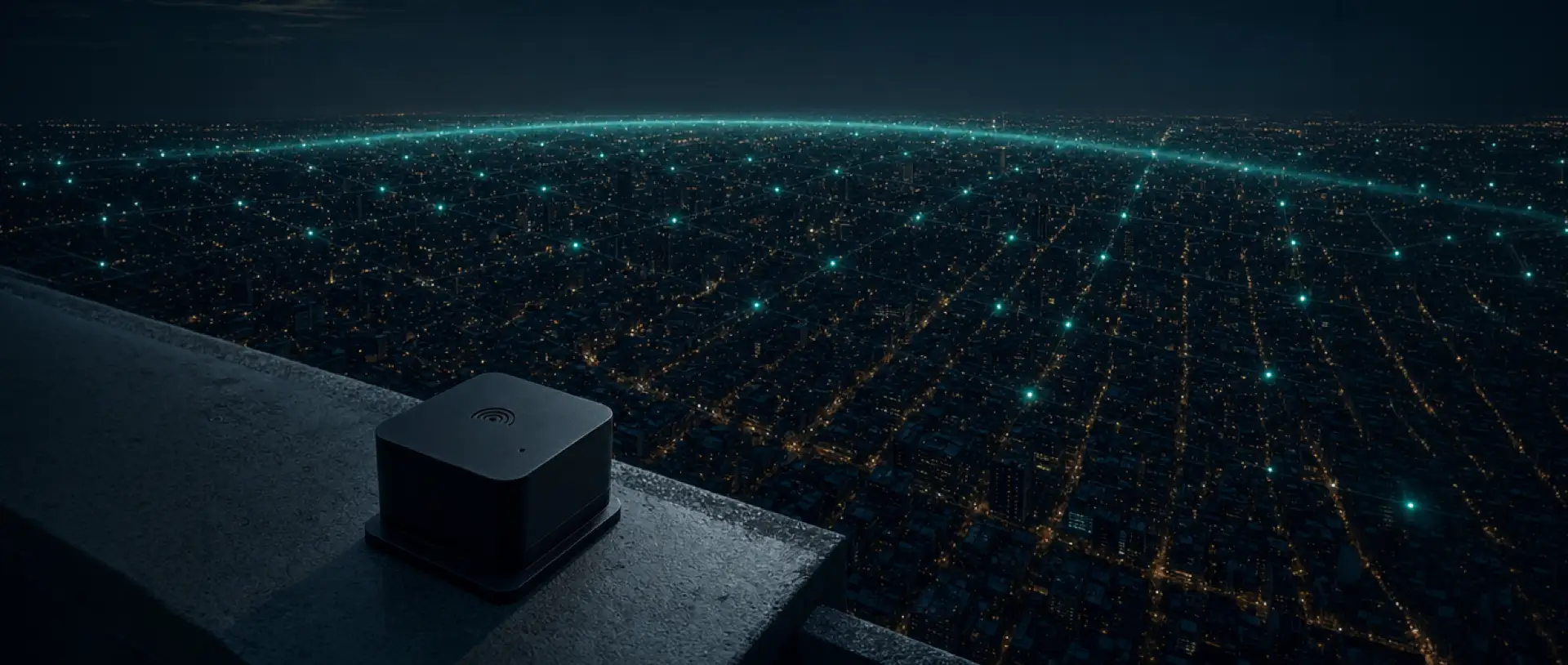
Know your home is watched over, second by second.
A GeoShake T1 on your own wall, reading the ground under your feet more than 100 times a second so you're
never wondering if it's safe.
Just a quiet, constant sense of "all clear."
“I was in Vega Alta when I got the alert for the magnitude 4.8 earthquake in the southwest, 15 seconds before the shaking reached my home.”
“I mounted it in the basement and forgot about it until a magnitude 4.2 hit 60 km away and my phone buzzed before anything started moving.”
“I installed one at my parents' place in Oaxaca. Watching the network grow week by week is genuinely reassuring.”
See shaking as it happens.
Not after.
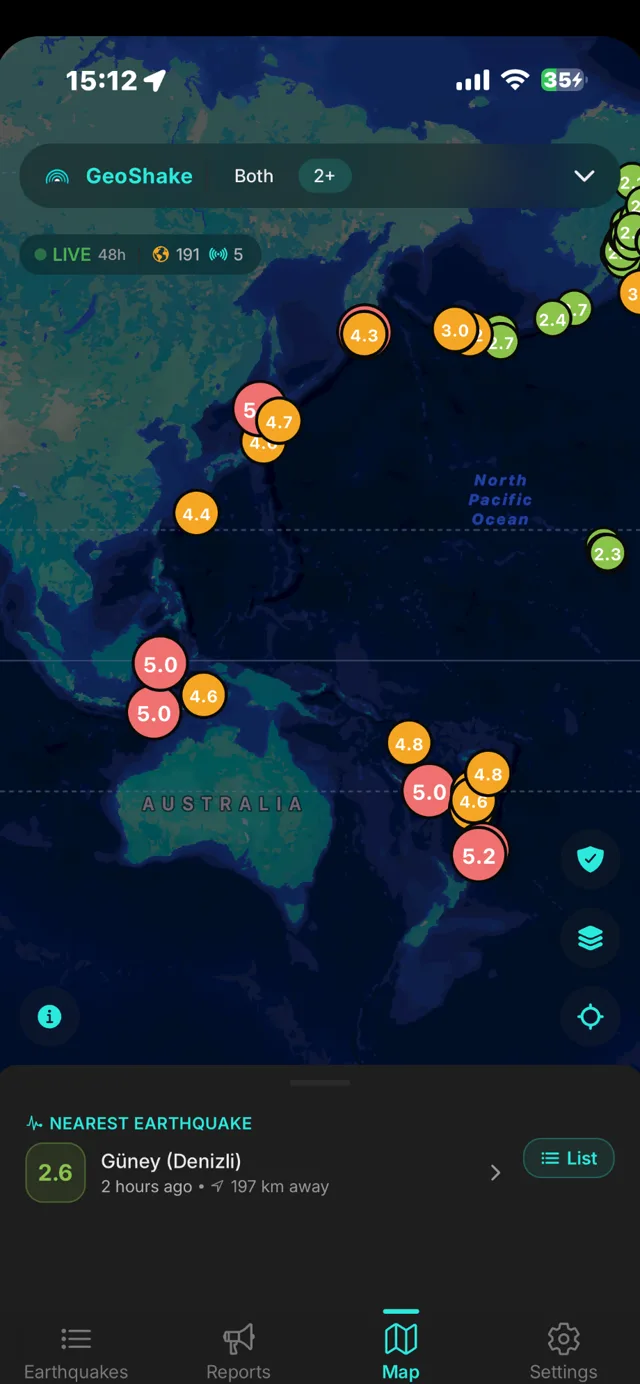
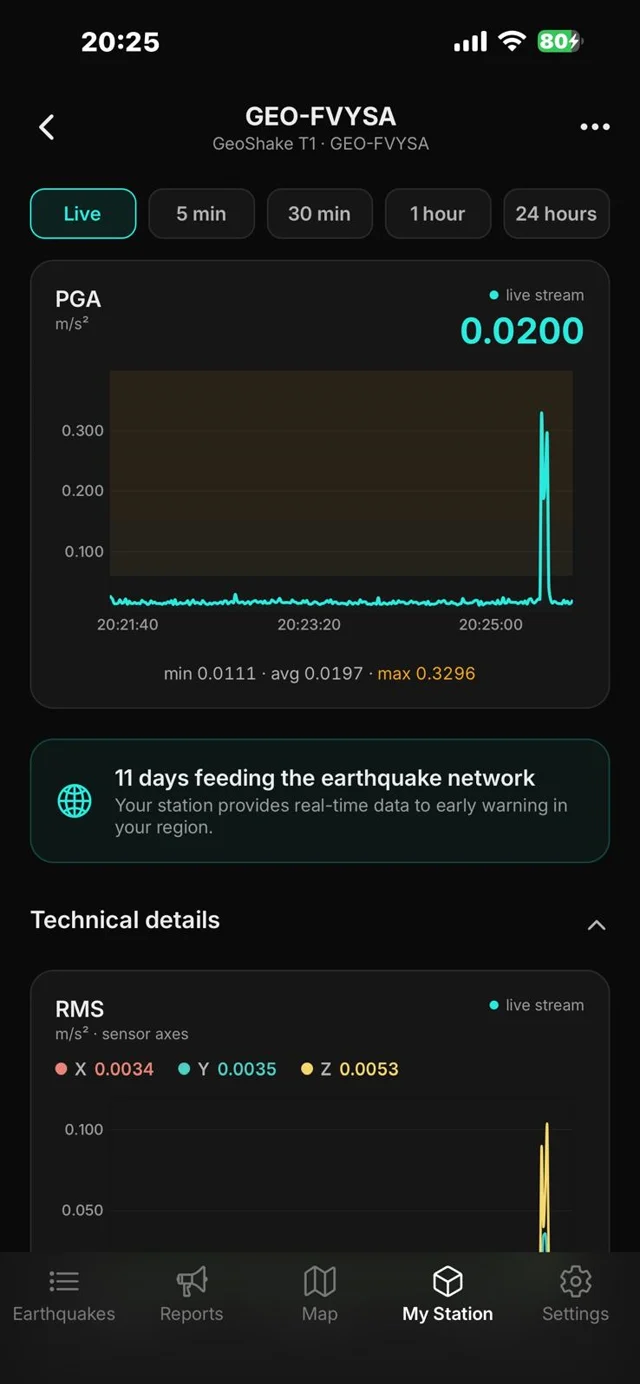
Free on iOS and Android native apps, no sensor required. Live telemetry from your GeoShake T1, a map of every station, and push alerts tuned to your address.


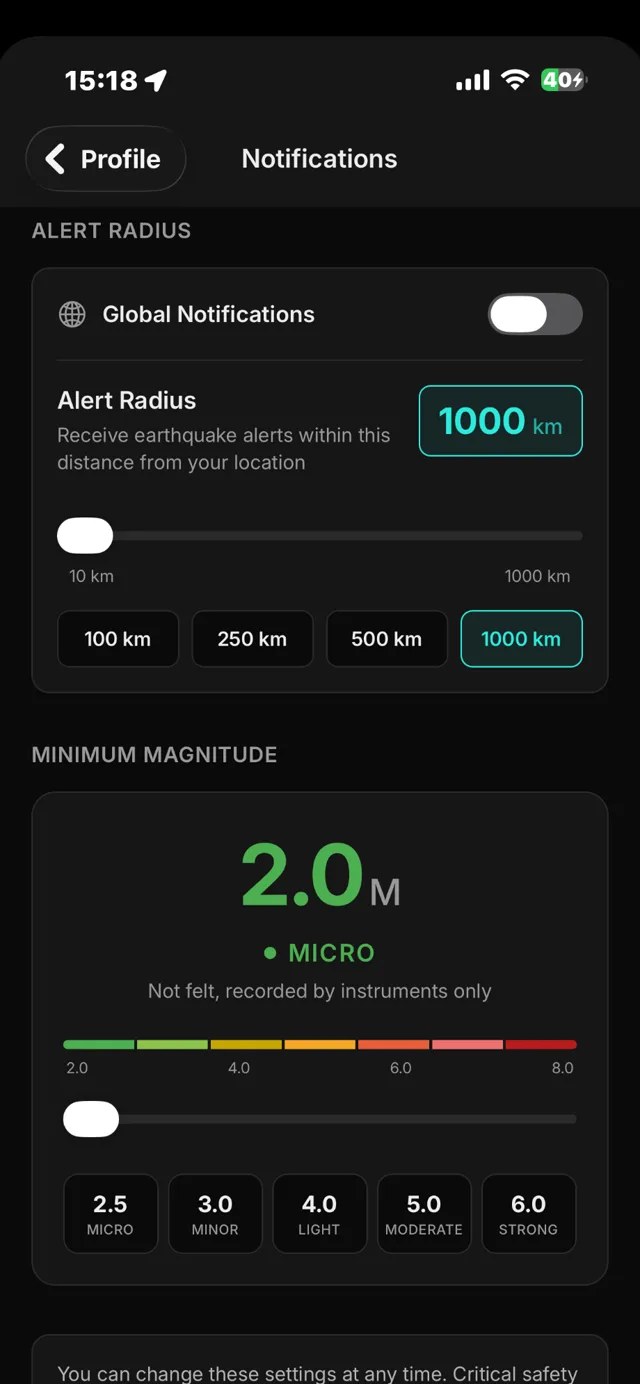
Seconds of warning, while the wave still travels.
A quake starts. Nearby stations catch the fast P-wave, the network confirms in under a second, and your phone knows before the destructive S-wave reaches your street.
Every node, every event in one pane.
Stations, epicenters, fault lines, your own GeoShake T1 pinned at home. Drill into any point for a full seismogram.
Open the live map →
Your data, not ours.
Every byte public. Pull raw seismograms, cite them, self-host the stack.
Works with your smart home
The moment an earthquake is confirmed, your home reacts in seconds lights flash, sirens sound, speakers announce the warning.
 Smart Life
 Tuya
Tuya
Plug in a GeoShake T1. Help detect the ground moving.
Sense
A GeoShake T1 the size of your palm listens to the ground more than 100 times a second, with four 6-axis motion sensors working together. The moment an earthquake starts, it catches the first wave in milliseconds.
Confirm & Locate
Your sensor never decides alone. In under a second its reading is compared with the sensors around you, so a passing truck is not mistaken for an earthquake, and the network works out where the shaking began.
Warn
The alert reaches your phone and everyone else on the network, usually 5 to 20 seconds before the destructive wave arrives. Enough time to drop, cover and hold on.
Safety, science, civic dataone network.
A head-start on the ground.
Every second of warning is a second to find cover. Alerts tuned to your home and your people.
Citizen science you can hold.
Classroom-ready nodes, teaching kits, and a public dataset students can actually build on.
Supplement the official grid.
Dense community coverage fills gaps between government stations and speeds up awareness.
Raw data, no paywall.
Every event, every seismogram, every metadata field. MiniSEED-compatible export.
Seconds of lead time.
Feeds into dispatch tooling and priority alerts for critical infrastructure and responders.
Rapid deployments, anywhere.
Low-cost hardware stands up monitoring in a fault-adjacent region in days, not years.
Three ways to be a node.
Buy one, build one, or sponsor a region that needs coverage most.
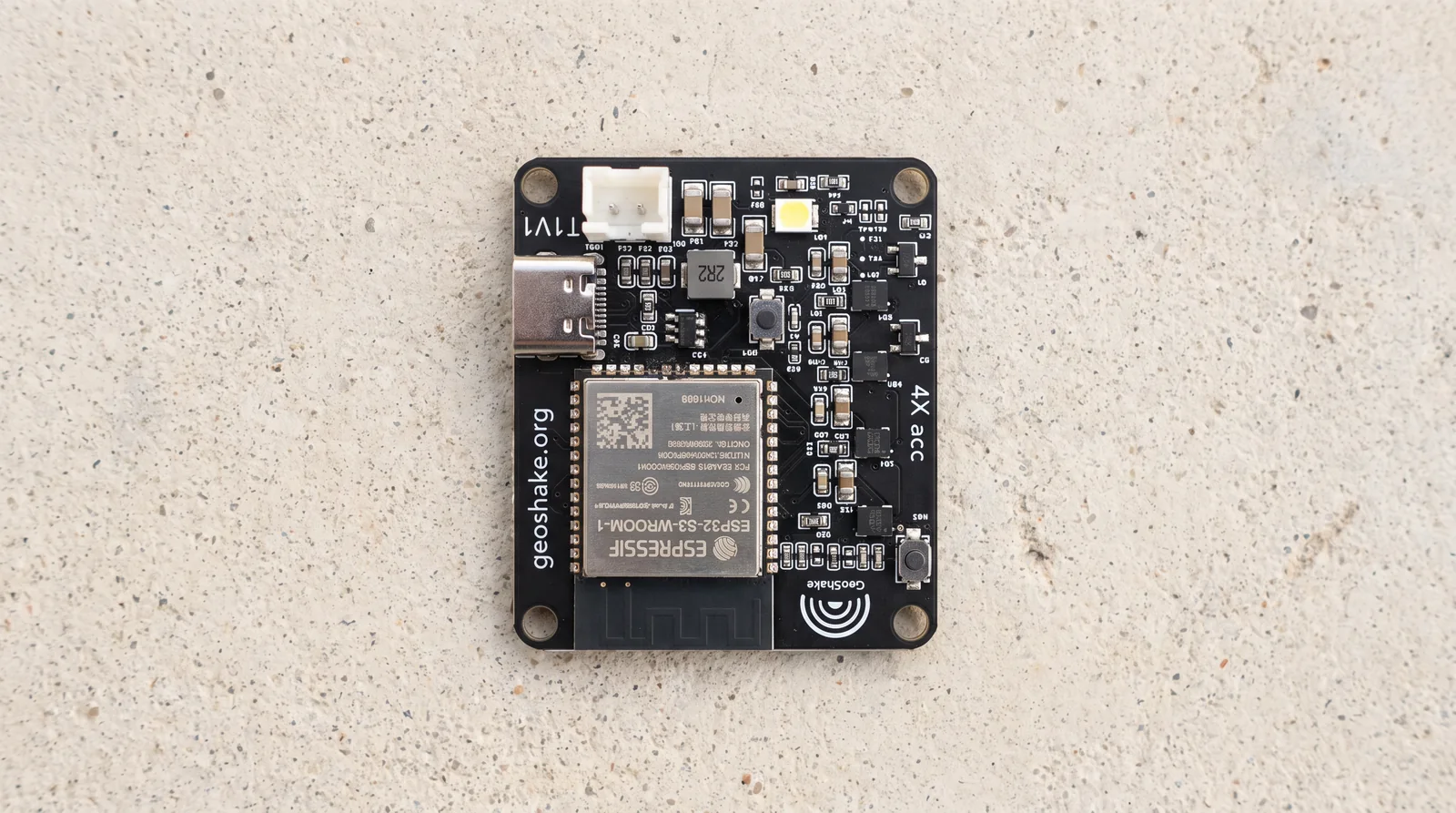
The same electronics as the T1 assembled, tested, firmware already on it. You print the enclosure and supply the cable.
- Assembled & tested board
- Firmware pre-flashed + OTA
- Enclosure STLs to print
- Community Discord support
- Free Standard Shipping
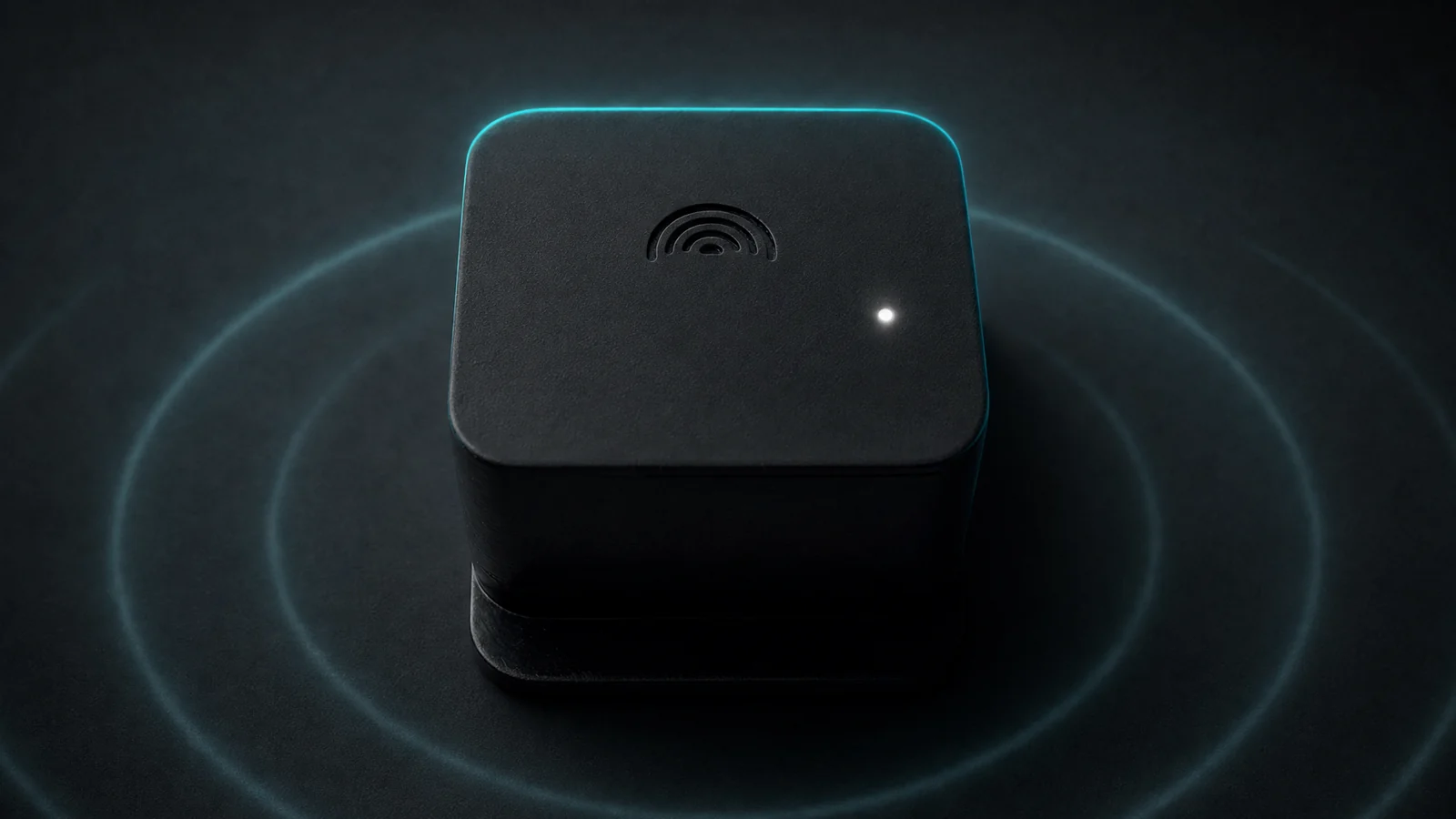
Pre-assembled, tested, flashed. Unbox, plug in, connect. You're contributing within 2 minutes.
- Assembled & tested board
- USB-C cable included
- Free OTA firmware forever
- Lifetime firmware updates
- Free Express shipping (UPS/DHL)
In stock · ships in 7–12 days

Sponsor a batch at $129.99 each donate to a school, a municipality, or a high-risk region selected by local scientists.
- 12 deployed, any region
- Quarterly coverage report
- Recognition on public map



Questions, openly.
How accurate is a consumer-grade sensor?
Individually, a single sensor has a noise floor around 70 µg/√Hz; the T1 stacks four of them into one array, bringing the effective floor down to roughly 35 µg/√Hz low enough to pick up shaking above M2.0 nearby and M4+ regionally. And accuracy is also a network property: when dozens of nodes confirm the same wave arrival times, we triangulate to scientific-grade precision.
How much data does it use?
Very little the sensor sends compact MQTT packets: periodic health metrics when idle and a brief burst of readings during an event. Typical usage is under 5 MB per day, about as much as a single email with an attachment.
Is my location private?
You choose it yourself. During setup you place your station on the map, and we recommend picking a point 50 to 100 m away from your home rather than your exact address. Position accuracy matters for early warning, because wave arrival times are compared between stations, but an offset that small does not affect the calculation and keeps the public marker off your front door.
Do I need to be in an earthquake zone?
No. Nodes in stable regions are scientifically valuable as "quiet references" they help characterize network noise. And the network becomes stronger when coverage reaches beyond the obvious fault lines.
Is this competing with official networks?
No we supplement them. Our data is fully open, so researchers, institutions and anyone else can use GeoShake feeds alongside official sources. We're a complementary layer, not a replacement.
How fast are alerts, really?
Median end-to-end latency from detection to your phone is about 2.3 seconds in well-covered regions. That usually translates to a 5–20 second head start depending on your distance from the epicenter.
Why cheap sensors instead of expensive scientific ones?
For P-wave early warning, network density matters more than individual sensor sensitivity. Instead of a single $10,000 geophone, a dense swarm of $20-class MEMS sensors covers far more ground for the same budget the only sustainable way to locate an epicenter faster. Raw precision is a network property once you have enough nodes.
Is GeoShake open source?
Partly, and we'd rather be precise than sound impressive. The firmware is open source under GPL-3.0 including the signal-processing reference it is bit-locked to, so anyone can audit our detection maths. The enclosure designs are open under CC BY-SA 4.0, and our seismic data is openly available. The PCB design and the cloud backend are proprietary, so the device as a whole is not open source hardware. Everything we call open is on GitHub, sources and all.
How is GeoShake different from Raspberry Shake?
Raspberry Shake is a scientific archive-focused station closed-ish hardware/software, recording full waveforms at high fidelity. GeoShake is designed for early warning: open source, low cost, P-wave first. We correlate across the whole network 500+ sensors and growing and send lightweight MQTT event messages rather than heavy continuous waveforms. The two are complementary Raspberry Shake is one high-accuracy station; GeoShake is a wide, fast, cheap swarm. They don't replace each other.
How do you distinguish a truck or door slam from an earthquake?
This is the project's hardest problem cheap sensors alone are noisy. Our answer is a correlation algorithm. If only your device is shaking, it's noise. If ten different devices within a 5 km radius report similar signals within milliseconds, it's a seismic wave. Consensus across the mesh is what separates a passing truck from a tremor.
Where should I put the device?
Mount it on a fixed, rigid surface a load-bearing column or beam is ideal. A device on a wobbly table or soft carpet is useless. An early warning system also has to run 24/7: keep it plugged in and keep the Wi-Fi connected. The network is only as healthy as its nodes.
Why MQTT?
Traditional seismological networks (SeedLink) stream full waveforms for archival and are heavy. GeoShake is speed-focused. With MQTT we send only the "event detected" trigger plus summary metrics (PGA, RMS). In scenarios where a thousandth of a second matters for P-wave detection, a small header wins.
What about false alarms? Legal status?
False positives are a real risk which is why GeoShake is an experimental community project and does not replace the official earthquake data published by national authorities. To minimize false alarms our algorithms use high thresholds and require multi-device consensus before anyone's phone buzzes.
How much electricity does the GeoShake T1 use?
Very little. A GeoShake node draws roughly 0.7–1 W on average far less than a modem or an LED bulb. Running 24/7 for a month, the impact on your electricity bill is negligible.
Let's make the Earth readable.
Join a network where every home is a sensor, every reading is public, and every second of warning saves someone.